
A professional project under preparation and continuous development

Practical Guide to Psychotropic Medications

A bilingual digital guide helping psychologists and qualified therapists recognise how medication effects may appear in assessment and psychotherapy—without crossing into prescribing or dose decisions.

Arabic & EnglishDigital referencePractice-focusedFor qualified professionals

Sales and paid registration are not open yet. Interest registration is free and is not a purchase or reservation.
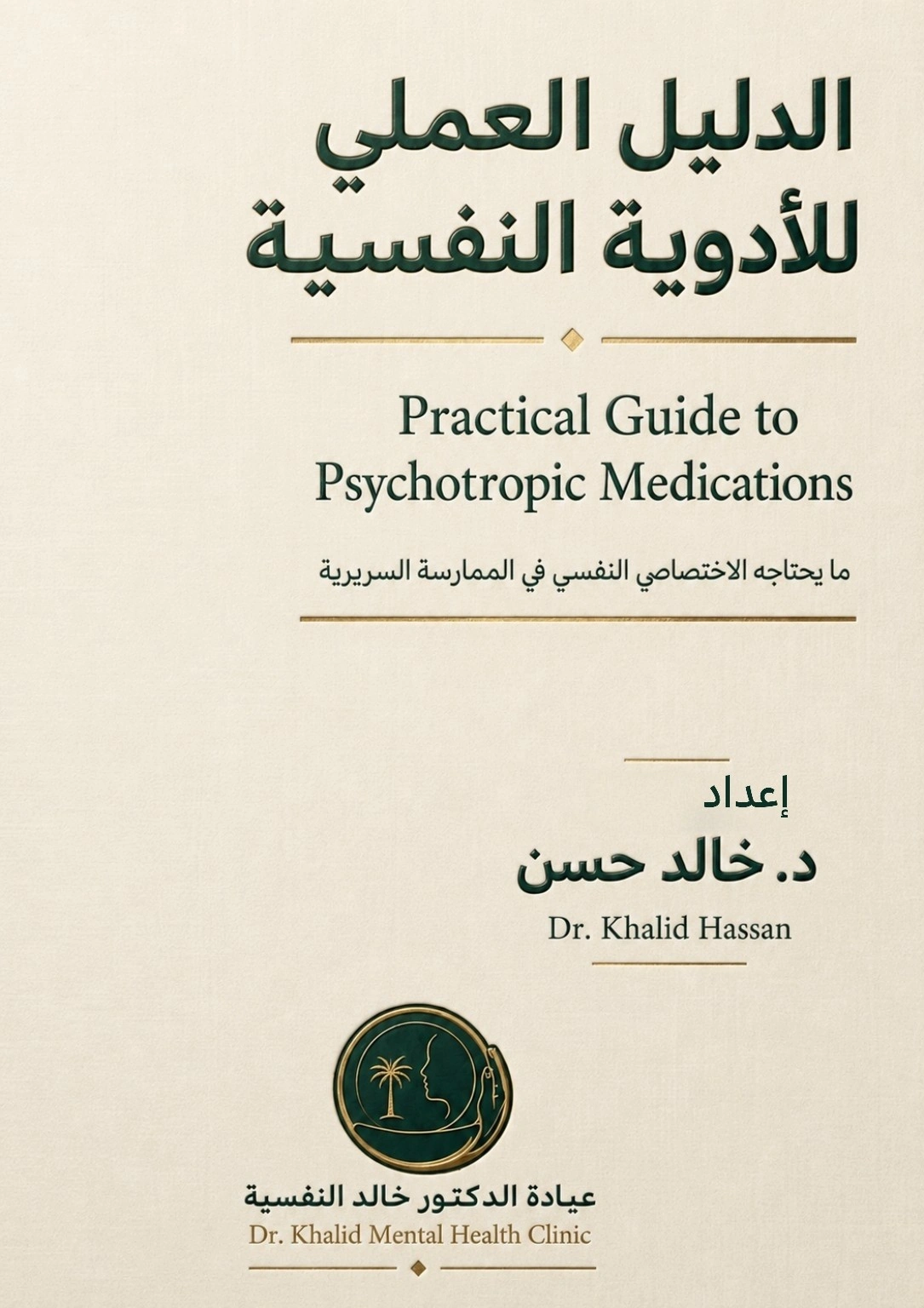
Practical Guide to Psychotropic Medications cover
Inside the guide

Practical questions that change assessment

01

A medication name is not a diagnosis

An antidepressant on a medication list does not automatically establish depression. Ask what the prescriber said the medicine was intended to target.

02

Restlessness may not simply be anxiety

New inability to sit still after starting or changing medication requires careful timing, severity, and safety assessment.

03

Slowing may not simply be depression

Before labelling fatigue and low initiative as resistance or worsening mood, ask about medication timing, sleep, and onset.

04

Withdrawal is not proof of addiction

Symptoms after missed doses, reduction, or stopping need documentation and medical review—not an improvised taper by the therapist.

Clear professional boundaries

The guide does not teach prescribing, drug selection, dose changes, or discontinuation schedules. It develops better observation, questioning, safety assessment, documentation, and collaboration with the prescribing clinician.

Register interest

Be among the first to receive launch details

This registration is for psychologists, qualified therapists, and professionals interested in the applied training track.

The form prepares a structured WhatsApp message. Information is not automatically stored on the website.